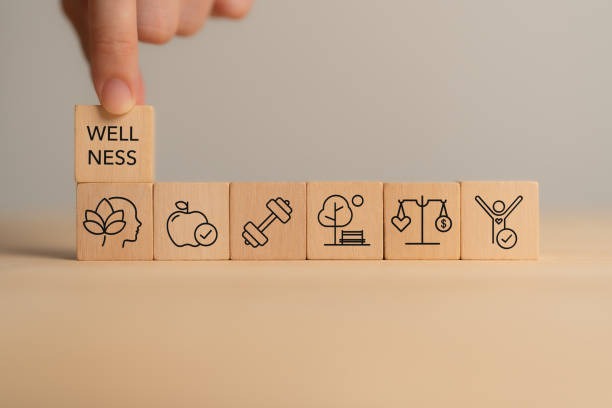
Everyday Wellness Mistakes and How to Avoid Them

Everyday Wellness Mistakes and How to Avoid Them

Many people strive to maintain a healthy lifestyle but often fall into common wellness mistakes that can undermine their efforts. One frequent error is neglecting the importance of consistent sleep patterns. Sleep plays a crucial role in physical and mental health, yet many individuals sacrifice rest for work or entertainment. Irregular sleep schedules disrupt the body’s natural rhythms, leading to fatigue, impaired cognitive function, and weakened immunity. To avoid this, it is essential to prioritize regular bedtimes and create a calming pre-sleep routine that promotes relaxation.

Another widespread mistake involves poor hydration habits. Drinking insufficient water throughout the day can cause dehydration, which affects energy levels, concentration, and overall bodily functions. Many people confuse thirst with hunger or simply forget to drink enough fluids due to busy routines. Carrying a reusable water bottle and setting reminders can help maintain adequate hydration without much effort.

Skipping meals or relying heavily on processed foods also hinders wellness goals. Balanced nutrition provides the necessary vitamins and minerals for optimal functioning. However, convenience often leads individuals to choose fast food or snacks high best live rosin gummies in sugar and unhealthy fats instead of nutrient-rich options like fruits, vegetables, whole grains, and lean proteins. Planning meals ahead of time encourages healthier choices while reducing reliance on quick fixes that lack nutritional value.

Physical activity is another area where mistakes are common. Some either overexert themselves without proper preparation or exercise sporadically without consistency. Both extremes can result in injury or limited benefits from workouts. Incorporating moderate exercise regularly-such as walking, cycling, or yoga-supports cardiovascular health and muscle strength while promoting mental well-being through stress reduction.

Ignoring mental health needs represents an equally significant oversight in everyday wellness practices. Stress management techniques such as mindfulness meditation or deep breathing exercises are often overlooked despite their proven effectiveness in enhancing emotional resilience and reducing anxiety symptoms.

Lastly, many underestimate the impact of social connections on overall health. Isolation can lead to feelings of loneliness which negatively affect mood and even physical health outcomes over time; maintaining meaningful relationships provides emotional support essential for coping with life’s challenges.

Avoiding these common pitfalls requires awareness combined with practical adjustments tailored to individual lifestyles rather than drastic changes that may be unsustainable long term.


Designing a Health Routine That Actually Fits Your Life

Designing a Health Routine That Actually Fits Your Life

Creating a health routine that truly fits your life requires thoughtful consideration of your individual needs, preferences, and daily schedule. Many people struggle with maintaining healthy habits because they try to adopt routines that are unrealistic or incompatible with their lifestyle. The key to success lies in designing a plan that is sustainable and adaptable rather than rigid and overwhelming. Start by assessing your current daily activities and identifying moments where small changes can be introduced without causing disruption. This approach minimizes stress and increases the likelihood of consistency over time.

Understanding your personal motivations for improving health is crucial. Whether it’s enhancing energy levels, managing stress, or preventing illness, having clear reasons helps maintain focus when challenges arise. Incorporate activities you enjoy into your routine so exercise or meal preparation does not feel like a chore but rather a rewarding part of the day. For example, if traditional workouts seem daunting, consider walking during breaks or trying dance-based fitness classes at home to keep movement engaging.

Nutrition plays an essential role in any health regimen but should not be overly restrictive or complicated. Focus on balanced meals that include whole foods such as vegetables, fruits, lean proteins, and whole grains while allowing occasional treats to avoid feelings of deprivation. Planning meals ahead can save time and reduce impulsive choices driven by hunger or fatigue.

Sleep hygiene often gets overlooked despite its profound impact on overall well-being. Prioritize consistent sleep schedules by going to bed and best 2 gram carts waking up at similar times each day whenever possible. Creating a calming bedtime routine free from screens helps improve sleep quality significantly.

Mental health deserves equal attention alongside physical aspects of wellness since both influence each other deeply. Incorporate practices like mindfulness meditation or journaling to manage stress effectively within your routine without requiring large blocks of time.

Flexibility remains vital; life circumstances change due to work demands, family responsibilities, or unexpected events. Your health routine should accommodate these fluctuations instead of adding pressure during busy periods. Adjust intensity levels or swap activities temporarily while keeping core habits intact.

Tracking progress through simple methods such as journaling how you feel after workouts or noting improvements in mood encourages reflection on what works best personally rather than blindly following generic advice from external sources.

Ultimately, designing a health routine tailored specifically for you involves patience and experimentation until you find the right balance between effort and enjoyment that supports long-term commitment without sacrificing other important areas of life.

How to Stay Healthy Without Following Trends

How to Stay Healthy Without Following Trends

Maintaining good health without succumbing to the latest trends requires a focus on timeless principles rather than fleeting fads. Health trends often promise quick results or revolutionary benefits but may lack scientific backing or long-term sustainability. Instead of chasing every new diet, workout, or supplement that gains popularity, it is more effective to adopt consistent habits grounded in well-established knowledge about human wellness.

A balanced diet remains one of the most reliable foundations for staying healthy. Emphasizing whole foods such as vegetables, fruits, lean proteins, whole grains, and healthy fats provides essential nutrients necessary for bodily functions. Avoiding excessive processed foods and added sugars contributes to maintaining stable energy levels and reducing the risk of chronic diseases. Rather than following restrictive diets promoted by trends, focusing on moderation and variety ensures nutritional needs are met while allowing flexibility.

Regular physical activity also plays a crucial role in overall health. Engaging in exercises that suit personal preferences and abilities encourages consistency over time. Whether it’s walking, swimming, cycling, or strength training, moving the thca flower body daily supports cardiovascular health, muscle strength, mental well-being, and weight management. It is important to choose activities that feel enjoyable instead of forcing oneself into trendy routines that might be difficult to sustain.

Adequate sleep is another essential component often overlooked amid popular wellness advice focused solely on diet or exercise. Quality rest allows the body to repair tissues and consolidate memories while regulating hormones related to appetite and stress responses. Prioritizing a regular sleep schedule with sufficient duration enhances cognitive function and emotional resilience.

Managing stress effectively contributes significantly to maintaining good health without relying on passing fads like detox teas or expensive supplements claiming miraculous effects. Techniques such as mindfulness meditation, deep breathing exercises, spending time outdoors in nature, or engaging in hobbies can reduce stress levels naturally over time.

Hydration should not be underestimated either; drinking enough water throughout the day supports digestion and cellular functions efficiently without needing costly bottled waters with added ingredients marketed as superior options.

Finally, regular medical check-ups help detect potential issues early before they develop into serious problems-a practice far more beneficial than self-diagnosing based on internet trends alone.

In summary, staying healthy without following trends involves embracing balanced nutrition from real foods; engaging consistently in enjoyable physical activities; ensuring quality sleep; managing stress through simple practices; staying hydrated adequately; and seeking routine professional healthcare guidance when needed. These enduring habits form a sustainable approach toward long-term wellness beyond any temporary craze circulating at the moment.

Why I Chose Practical Health Over Trendy Advice

Why I Chose Practical Health Over Trendy Advice

In today’s fast-paced world, health advice is everywhere, often accompanied by flashy trends and quick fixes. From detox teas to extreme diets and miracle supplements, the health industry can feel overwhelming and confusing. Early in my journey toward better well-being, I found myself drawn to many of these trendy solutions because they promised rapid results with minimal effort. However, after experiencing inconsistent outcomes and occasional setbacks, I realized that practical health choices grounded in science and sustainability were far more effective for long-term success.

One of the main reasons I chose practical health over trendy advice is its focus on consistency rather than instant gratification. Trendy diets or fitness fads often emphasize rapid changes that may not be maintainable over time. For example, a popular diet might eliminate entire food groups or require strict calorie counting that becomes exhausting after a few weeks. In contrast, practical health encourages balanced nutrition tailored to individual needs without drastic restrictions. This approach helps build habits that are easier to sustain and adapt as life circumstances change.

Another important factor was understanding the value of evidence-based information. Many trendy products or routines gain popularity through aggressive marketing rather than solid scientific support. By prioritizing research-backed recommendations from reputable sources such as registered dietitians or medical professionals, I avoided wasting time and resources on ineffective methods. Practical health relies on proven principles like regular physical activity, adequate sleep, stress management, and nutrient-rich foods-all essential components supported by extensive studies.

Additionally, practicality means recognizing personal limits and preferences instead of forcing oneself into rigid frameworks dictated by trends. Health is deeply personal; what works for one person best thca brands of 2026 might not suit another due to genetics, lifestyle demands, or underlying conditions. Choosing realistic goals based on self-awareness fosters motivation without unnecessary pressure or guilt when progress varies.

Practical health also embraces incremental improvement rather than perfectionism common in trend-driven approaches where anything less than ideal is seen as failure. Small changes made consistently accumulate significant benefits over months or years-something many fleeting trends overlook in pursuit of sensational claims.

Ultimately, my decision reflects a commitment to sustainable wellness grounded in knowledge rather than hype. Practical strategies empower me to make informed decisions aligned with my body’s needs while avoiding distractions from constantly shifting fads promising quick fixes but rarely delivering lasting results.

By focusing on sound principles instead of chasing every new craze circulating online or through social media influencers, I have built a healthier lifestyle that feels manageable and rewarding long term without sacrificing enjoyment or balance along the way.

Why Your Routine Needs Regular Resetting

Why Your Routine Needs Regular Resetting

Maintaining a routine is essential for productivity, stability, and overall well-being. However, sticking rigidly to the same pattern day after day can lead to diminishing returns. Regularly resetting your routine is crucial because it prevents stagnation, promotes growth, and helps you adapt to changing circumstances. When routines become too predictable or monotonous, motivation tends to wane. The excitement that once accompanied daily tasks fades away as habits turn into autopilot behaviors. By introducing periodic resets, you reinvigorate your approach to work and life, rekindling enthusiasm and focus.

Another reason routines require regular adjustment is that personal goals evolve over time. What was important six months ago might no longer align with your current priorities or aspirations. If your schedule remains static despite these changes, it can create friction between what you want to achieve and how you spend your time. Resetting allows for reflection on progress made so far while realigning activities with new objectives. This process encourages intentional living rather than simply drifting through days without clear direction.

Additionally, external factors such as job demands, family responsibilities, or health conditions often fluctuate unexpectedly. A fixed routine may not accommodate these shifts effectively unless modified accordingly. Flexibility built into a reset habi read more t ensures resilience when life throws curveballs your way. It enables smoother transitions during periods of stress or uncertainty by providing space for necessary adjustments instead of forcing adherence to outdated plans.

Resetting routines also supports mental health by reducing feelings of burnout and overwhelm common in relentless schedules without variation. Taking deliberate breaks from habitual patterns refreshes cognitive resources and improves emotional regulation capacity over time. This practice fosters mindfulness about how daily choices impact mood and energy levels rather than mindlessly following ingrained sequences.

Furthermore, experimenting with different approaches during routine resets can uncover more efficient methods or enjoyable alternatives previously overlooked due to habit rigidity. Trying new activities or rearranging task order stimulates creativity and problem-solving skills while breaking monotony’s grip on performance quality.

In summary, regularly resetting your routine is vital for maintaining motivation, aligning actions with evolving goals, adapting to external changes, supporting mental well-being, and encouraging innovation in daily habits. Embracing this dynamic mindset transforms routines from restrictive chains into flexible frameworks that empower continuous improvement throughout life’s journey.